
Bram Stoker's Dracula
Some Quick Theological Thoughts

I finally read Dracula because my wife read it with some women from the church for one of the church’s book clubs last year, and I realized I had never read it.
Overall I really enjoyed the book. Some decisions made later in the book involving a pivotal event for Mina and how the other characters were oblivious to it bothered me (annoyed me greatly…). I know many others have seen these things, but here are some of the things I enjoyed pondering with regards to the Christian imagery embedded throughout the novel.
I did try to find out more about Bram Stoker’s faith, but there is very little written on the topic (from what I have found).
The heroes are protected by:
the cross/crucifix
the consecrated Host
holy water
prayer
Christian burial
These are not treated merely as psychological comforts or good luck charms but as real spiritual weapons against genuine evil (which is often lacking in many stories today!).
The two things that seem to be emphasized more than the others are the cross/crucifix and the consecrated host.
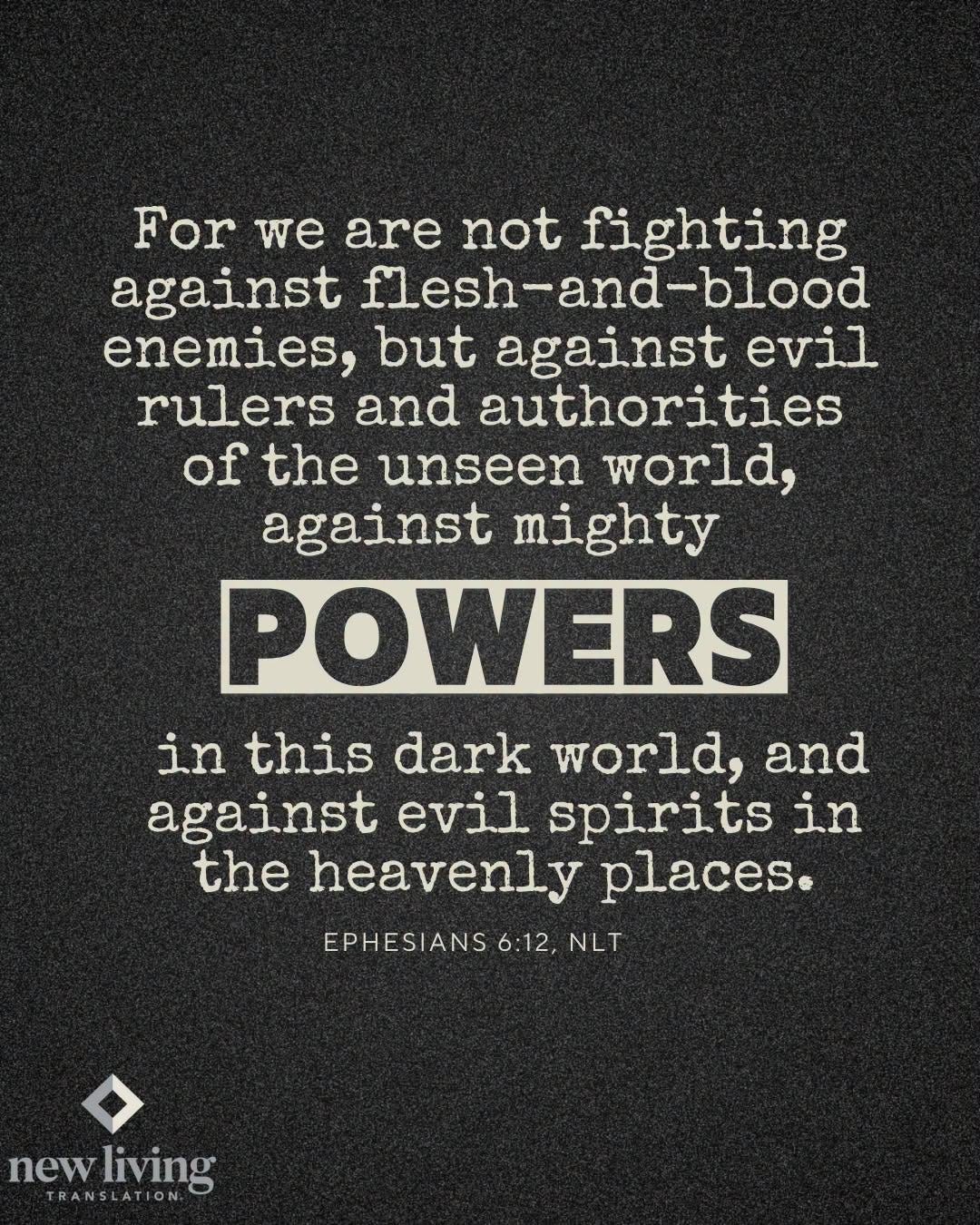
It is very clear that Dracula and the other vampires fear the One who has truly conquered death. They are terrified of the Just One who died and rose again. Even an image of the crucified and risen One is too much for them too look at or be near. Jesus sends the wicked foe running. Whatever Stoker believed, it’s a beautiful picture of what battling evil and spiritual warfare looks like. Satan and his demons hate Jesus - and they are terrified of Him.
He seemed, at the very least, to understand this truth:
The imagery that fascinated me the most was the use of the consecrated host. Not only did the vampires fear it, but if it was ground up and put into their homes, they could no longer stay there. The unholy places were made holy by the consecrated host and evil, again, had to flee. It is even the consecrated host that burns a mark on one of the vampire’s foreheads.
This clearly shows a high view of the Holy Supper. At the very least, whatever his actual view of the Sacrament was, Stoker understood that the consecrated host was Holy - so Holy that it purified and cleansed even the most damned and evil places - and sent the wicked fleeing in terror.
It did make me wonder (maybe I am the only one), what would happen if someone who is turning into a vampire took the Holy Supper while in their right mind? Would it cause some kind of excorcism? (Just to be clear, I am talking about the “world” of this novel. But seeing all else it did, it made me wonder why this was not tried. Although since it burned the flesh, perhaps they feared what would happen.)
All of what happened reflects what Luther says in the Large Catechism:
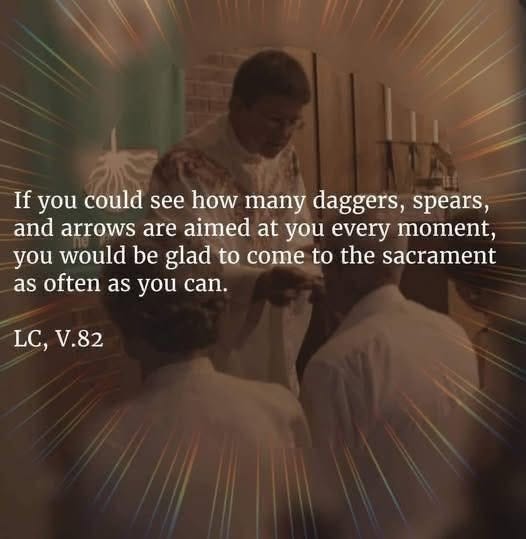
This all makes sense because Dracula himself functions as an anti-Christ figure throughout the novel:
he promises a kind of wicked immortality
his victims are consumed by a desire to kill and destroy
spreads corruption through blood (even has victims drink his blood!)
enslaves rather than liberates
creates followers who lose their humanity and will be damned if not saved from his “spell”
The heroes must combat him through faith in Christ, truth, purity, and self-sacrifice.
It is a beautifully Christian novel. Much more could be said, but I said this would be “quick” thoughts.1
In the future, I would love to explore Mina’s desire for Dracula to be saved.
I've never read it. I thought it was just a horror story. Thanks for this quick review.